
Aerospace, Aviation, & Space Travel
FOG-Based Inertial Reference Systems Remain the Most Suitable Choice Due to Their Precision, Reliability, and Certification History.
Aerospace, Aviation, & Space Travel
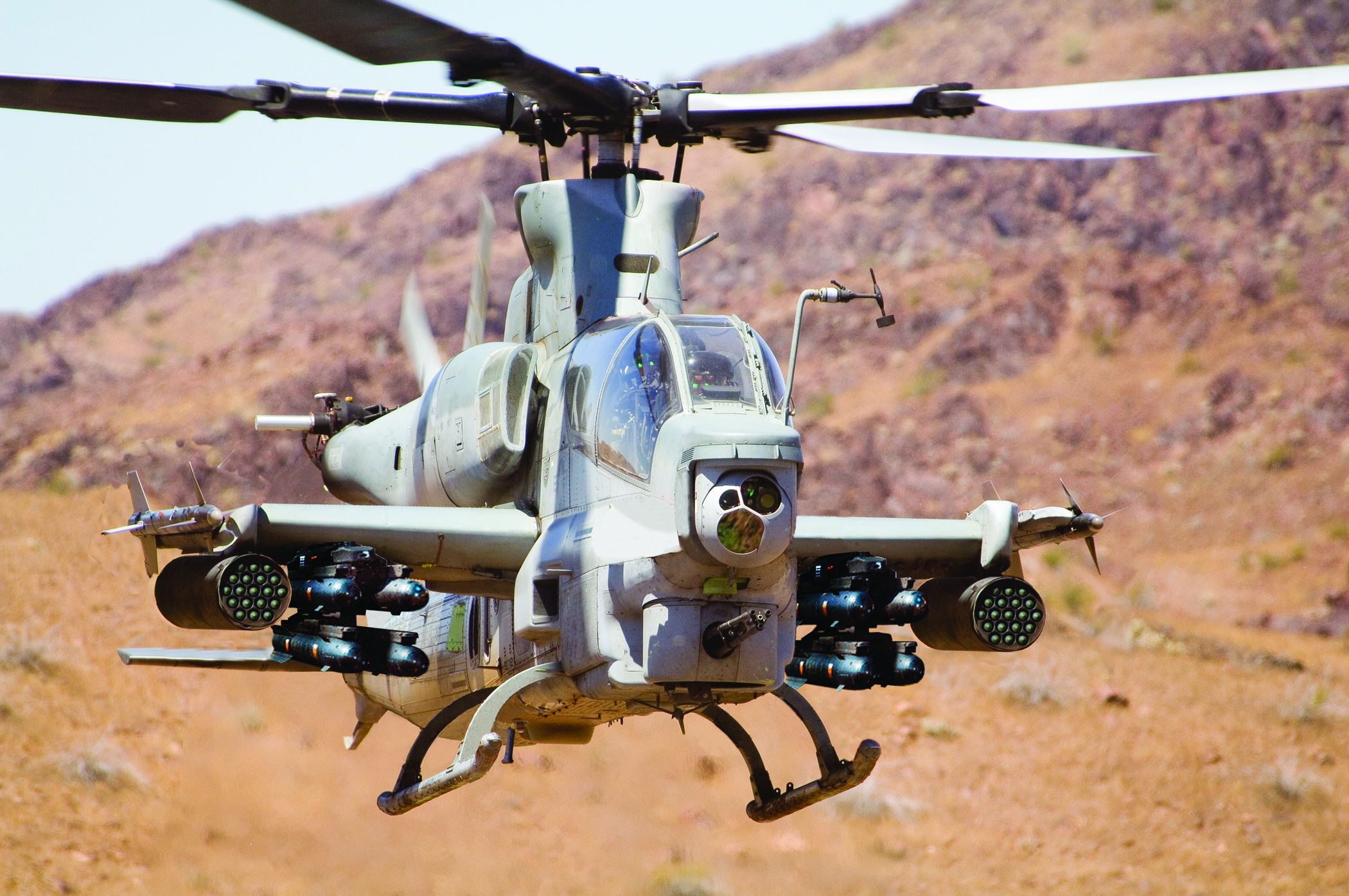 From the business jet to commercial airliners, these flight vehicles depend on keen inertial navigation components to help steer and guide pilots to their destination. Military and Space exploration depends heavily on inertial navigation sensors to reach their goals and do their jobs.
Fiber-optic gyroscopes (FOGs) and quartz micro-electromechanical systems (QMEMS) gyroscopes are used in modern inertial reference and navigation systems for commercial airliners and business jets, but they occupy different performance and cost tiers.
FOGs deliver extremely high accuracy, ultra-low drift, and superior temperature stability, making them the benchmark for high-end inertial reference units (IRUs). For commercial aviation, these traits are crucial to meeting regulatory navigation requirements (such as RNP and long-range oceanic operations), maintaining precise attitude data, and ensuring reliable performance during extended flights and GNSS outages. FOGs offer long service life with minimal recalibration needs.
QMEMS gyroscopes are smaller, lighter, and far more economical. Their quartz-based vibratory elements improve stability over standard silicon MEMS, giving them good performance for lower-tier inertial systems or as components of hybrid GPS-aided solutions. They are rugged, compact, and well-suited for aircraft where size and weight matter, such as light business jets or as part of distributed sensor suites in advanced avionics. However, QMEMS cannot match the ultra-low drift, long-duration accuracy, or environmental stability of FOGs. They typically require continuous data fusion with GNSS or air data to maintain performance within aviation navigation tolerances.
For commercial airliners and long-range business jets, FOG-based inertial reference systems remain the most suitable choice due to their precision, reliability, and certification history. QMEMS sensors are optimal where lower cost, smaller size, and integration flexibility are prioritized—such as in light jets, backup attitude systems, or GPS-aided navigation architectures. Ultimately, FOGs dominate high-end aviation navigation, while QMEMS supports cost-efficient, compact, and supplemental inertial functions.