
GUIDANCE & STABILIZATION
High-Performance, Shock and Vibration Resistance,
Compact and Affordable.
Guidance & Stabilization
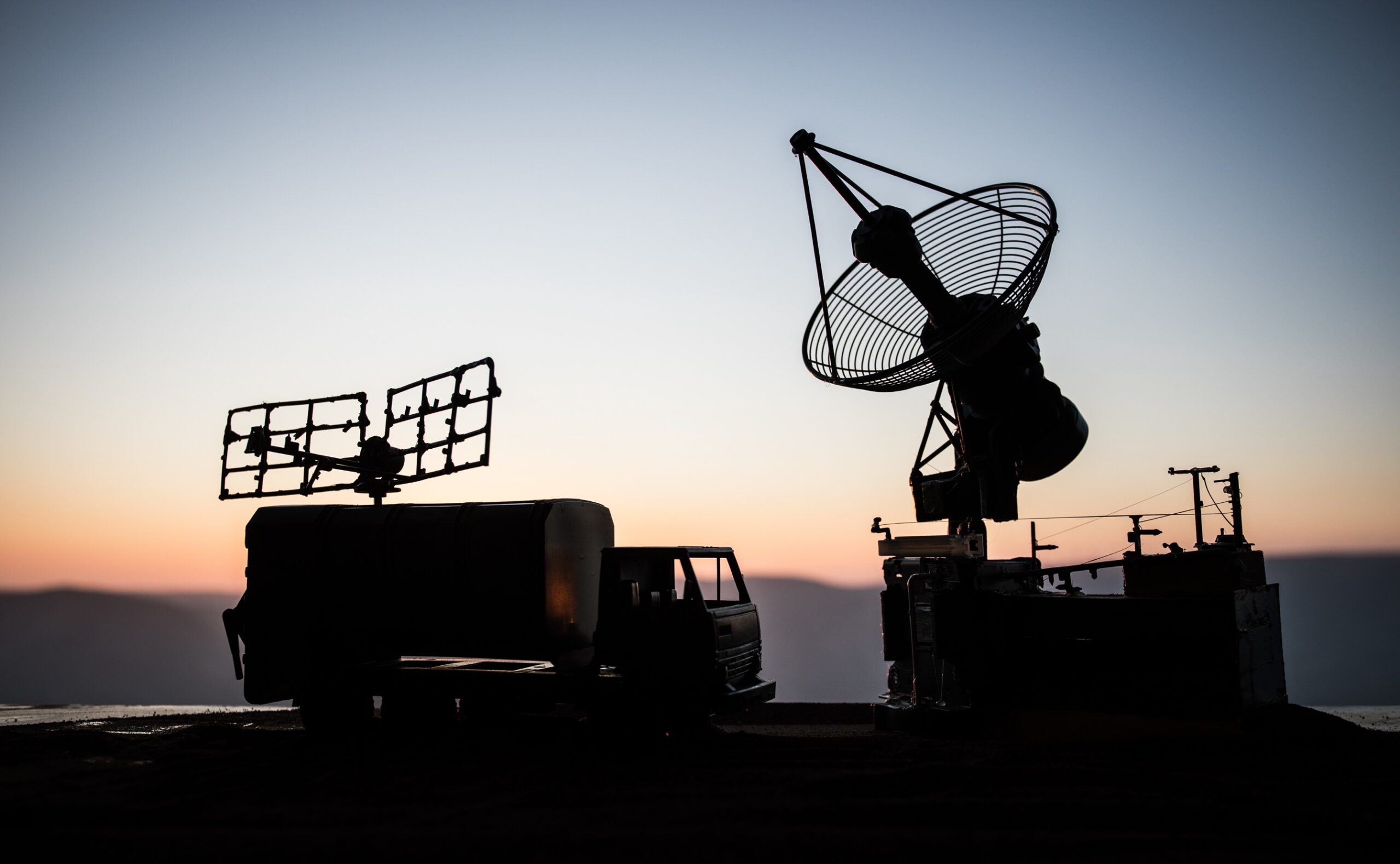 FOG and MEMS Navigation for Stabilization and Guidance
Modern stabilization and guidance systems rely heavily on precise motion sensing and inertial navigation technologies. Two widely used technologies in these systems are Fiber Optic Gyroscopes (FOG) and Micro-Electro-Mechanical Systems (MEMS) sensors. Both are critical in measuring angular motion, acceleration, and orientation – enabling accurate navigation and stable control in applications such as aerospace application, industrial robotics, unmanned marine vehicles, and autonomous driving systems.
Ensuring Pointing Accuracy & Stability by Eliminating Motion
The accuracy of pointing and stabilization systems is essential to radar and LiDAR, recording and data-gathering systems, antennas, and optical systems. EMCORE gyroscopes and inertial solutions eliminate error-generating movement in line-of-sight devices and precision data-gathering systems.
Designed to meet both specifications and end users’ expectations, EMCORE’s Fiber Optic Gyro (FOGs) and quartz MEMS solutions deliver the precision required for every budget.
EMCORE open-loop and closed-loop gyros resist vibration and shock by design, making them ideal for HD cameras and data-gathering systems that rely on stabilized platforms to remain rock-steady. On land, at sea, or in the air, EMCORE’s FOGs, IMU, and INS deliver excellent performance for a range of applications with housed and unhoused sensors available in 1, 2, or 3-axes configurations
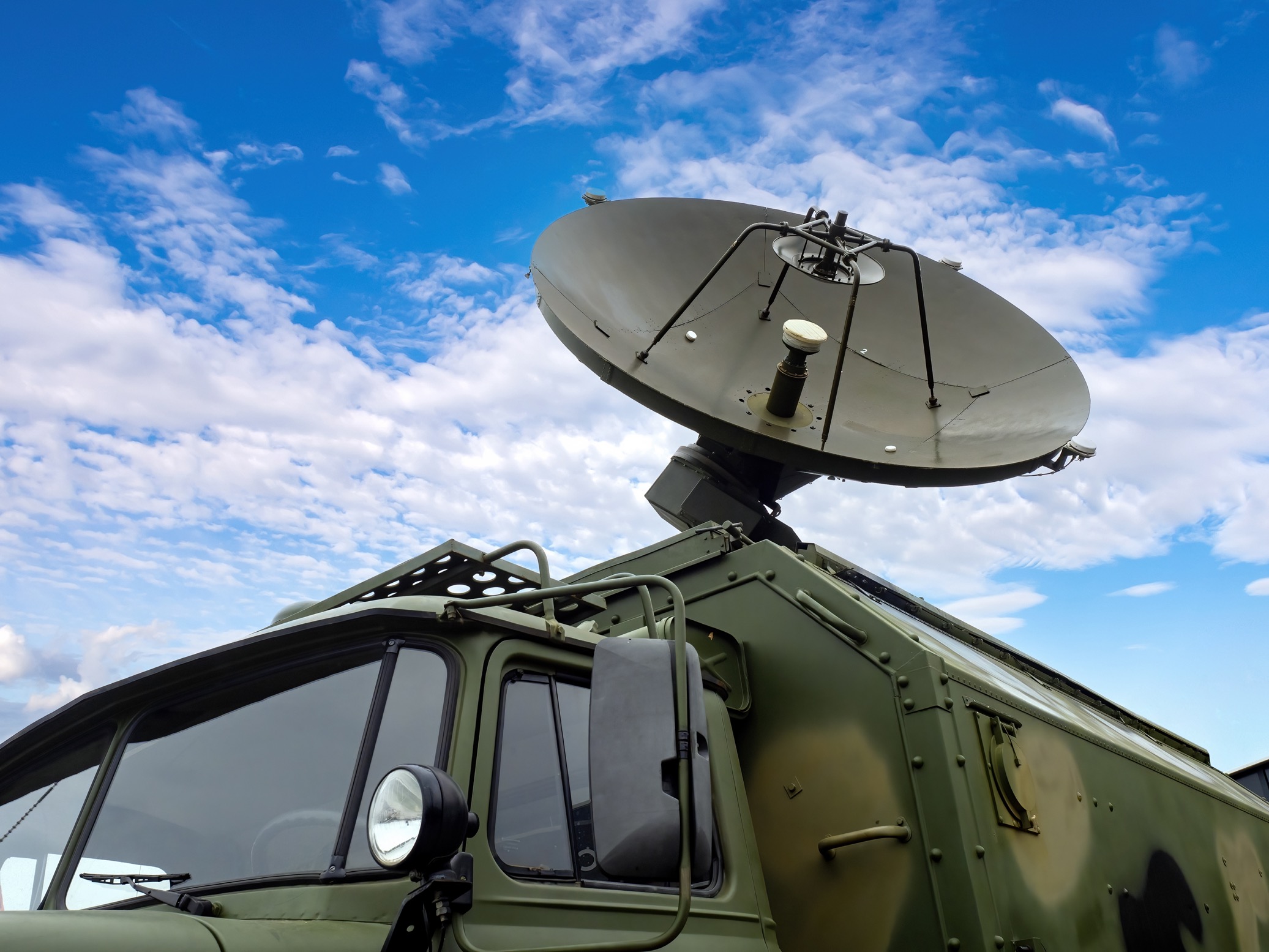 FOG technology is commonly integrated into Inertial Navigation Systems (INS), where it works with accelerometers to calculate position, velocity, and orientation without relying on external references like GPS. In stabilization systems, such as those used in aircraft autopilots or camera gimbals, the FOG continuously detects rotational movement. Control systems then compensate for unwanted motion, keeping the platform stable and accurately aligned with its intended direction.
In contrast, MEMS sensors use miniature mechanical structures fabricated using semiconductor manufacturing techniques. MEMS gyroscopes and accelerometers measure motion through tiny vibrating elements. When the device rotates, the vibration pattern changes due to the Coriolis Effect, which is detected electronically and converted into angular rate data. MEMS technology is compact, lightweight, and cost-effective – making it suitable for consumer electronics, drones, automotive systems, and portable navigation devices.
Key advantages of EMCORE sensors:
- Resistance to Shock and Vibration
- High-Performance, Compact, and Affordable with Industry-Leading in-Run Accuracy and ARW
- Outstanding Repeatability and Easy to Integrate
- Superior CSWaP (Cost, Size, Weight, and Power)
- Numerous Interfaces Supported as Well as Customized Solutions
- High Mean Time Between Failure (MTBF) Rating
- Application Agnostic